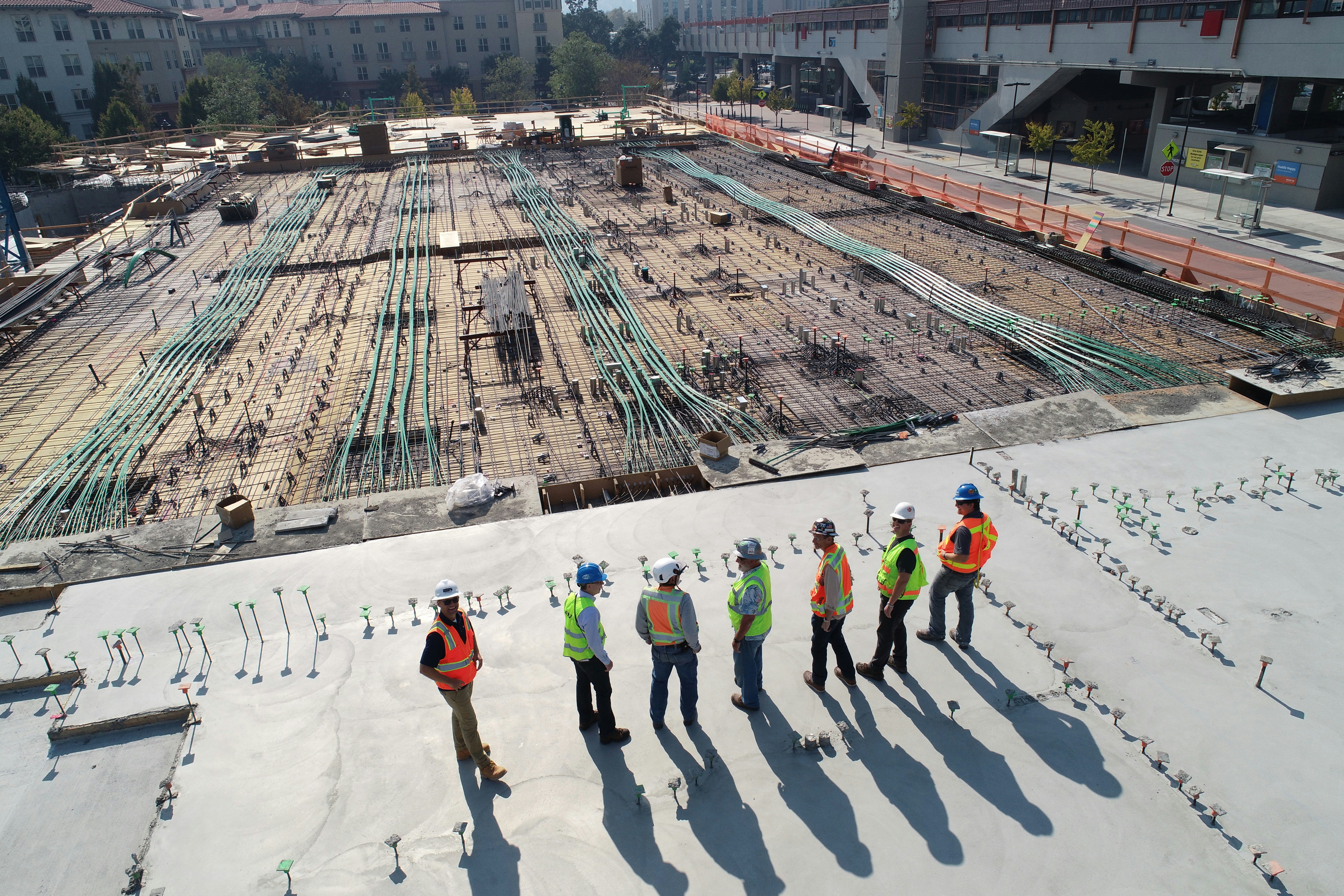
The Architecture of the Click
Most architecture firms treat their portfolio as a digital graveyard—a static collection of high-res JPEGs that sit there, waiting for someone to admire them. This is a fatal error. Your portfolio shouldn't just be an archive; it needs to be a persuasive engine. When we look at the data—and I mean the raw, ugly GA4 sessions—we see that users don't care about your awards. They care about how your work solves their specific, messy, expensive problem.
Conversion in architecture isn't about a button that says 'Book a Consult.' It is about establishing authority so deep that the client feels foolish going anywhere else. If you are still using a basic carousel of hero images, you are losing money.
The Anatomy of a Narrative Case Study
Designers love the 'finished project' shot. Clients love the 'how did we get here?' story. To bridge this, you need to stop thinking about projects and start thinking about arcs. A high-converting editorial piece on your studio site should follow a simple, brutal structure:
- The Friction: Identify a problem that seems impossible. Did the zoning board fight you? Was the site a swamp? Be specific.
- The Pivot: Show the moment the design logic shifted. This is where your expertise lives.
- The Resolution: Show the result, but anchor it back to the friction.
When we rebuilt a client’s portfolio last year, we replaced their generic 'Our Projects' page with a long-form editorial layout. We used CSS Grid to break the standard image-text-image pattern, allowing technical drawings to exist alongside site photography. The result? A 40% increase in lead quality. Not just clicks, but quality. People arrived at the contact form having already read the process.
Technical Debt in Design Systems
If your site feels like a brochure, your code likely feels like a template. We often see firms using bloated WordPress themes that load 4MB of scripts just to render a header. If your LCP (Largest Contentful Paint) is over 2.5 seconds, the user is gone. Architecture is a visual medium; if your site is slow, your perceived craftsmanship drops. Period.
The fastest way to lose a client is to make them wait for a hero image that doesn't tell a story.
Stop loading full-resolution TIFFs directly from the render engine. Implement sharp, automated asset pipelines. We use a combination of WebP/AVIF formats and `srcset` attributes to ensure mobile users aren't downloading desktop-sized textures. It sounds like basic engineering, but in the architecture space, it’s a competitive advantage.
The Myth of 'Less is More'
Architects love minimalism. We love white space. But white space without substance is just emptiness. You need to leverage your editorial content to show the 'why' behind the 'what.' Use data-driven storytelling.
// Example of a lightweight intersection observer to trigger project stats
const observer = new IntersectionObserver((entries) => {
  entries.forEach(entry => {
    if (entry.isIntersecting) {
      animateProjectStats(entry.target);
    }
  });
});
// Apply to your project milestone elements
When a potential client scrolls past a project, don't just show them a room. Show them a stat. 'Reduced energy footprint by 30%.' 'Saved six months on permitting by utilizing modular steel.' These are the hooks. These are the things that actually convert.
Stop Selling the Result, Sell the Workflow
Your clients are terrified of the process. They’ve heard horror stories about overruns, permit delays, and contractors who disappear. Your editorial content is the only way to build trust before the first meeting. If your documentation is clear, your site is fast, and your case studies are brutally honest about the challenges you faced—you are already ahead of 90% of the firms out there.
Write like you speak. Don't hide behind 'visionary' or 'curated.' If the site had a drainage issue, say it had a drainage issue. If the client wanted a brutalist staircase in a Victorian home, explain how you made that not look like a mistake. Realism is the most potent form of marketing. Stop polishing your portfolio into a state of perfection; start making it a map for how you win.


READER ESSAY DISCUSSIONS (0)
Share your architectural perspectives, technical notes, or critique.
No discussions recorded yet.
Be the first to spark the dialogue on this essay.